A Medicine Hidden in a Tree
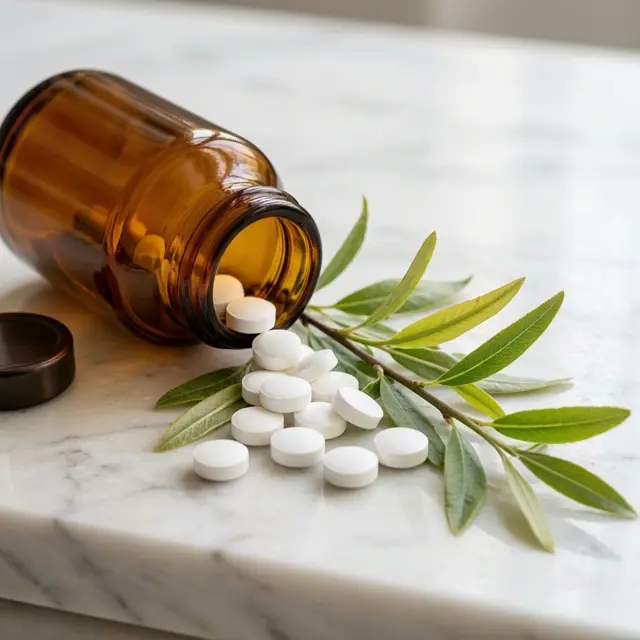
The world's most famous pill grew on trees first. The bark of the willow contains salicin, a compound the human gut converts into medicinally active salicylic acid, and people have used it for its health effects for at least 2,400 years.
Around 400 BC, Hippocrates was already referring to a salicylic tea to reduce fevers. The remedy then waited more than two millennia for a proper audition: in 1763, Reverend Edward Stone of Chipping Norton found that willow bark worked as well as the expensive imported Peruvian bark, at a fraction of the cost.
Nature's version had rough edges, though, and chemists wanted something better. The hunt for a synthetic alternative to willow bark became one of the founding quests of modern pharmacology, and its finish line was a compound now found in nearly every home on Earth.
Bayer Bottles a Legend
The chemistry came together in steps. In 1853, the chemist Charles Frederic Gerhardt treated sodium salicylate with acetyl chloride and produced acetylsalicylic acid for the first time. Over the next half century, chemists, mostly at the German company Bayer, worked out its structure and better ways to make it.
In 1897, Felix Hoffmann, or perhaps his colleague Arthur Eichengrün, produced the compound in a pure, stable form at last. By 1899 Bayer had named it Aspirin, blending "acetyl" with Spirsaure, the German name for the meadowsweet plant, plus the drug suffix "-in", and was selling it around the globe.
The name proved too successful. Bayer lost its United States trademark rights between 1918 and 1921 after failing to defend them, and "aspirin" became a generic word in much of the world, though the trademark survives in Germany, Canada, Mexico, and more than 80 other countries.
How One Little Pill Does So Much
For most of its life, nobody knew how aspirin worked. The answer arrived in 1971, when pharmacologist John Robert Vane discovered that aspirin permanently switches off the COX enzyme, shutting down production of prostaglandins, the chemical messengers behind pain, fever, and swelling. The discovery earned him the 1982 Nobel Prize in Physiology or Medicine.
For pain or fever, the effects typically begin within 30 minutes. Aspirin behaves like other anti-inflammatory drugs, but with a twist: it also suppresses the normal functioning of platelets, the blood cells that form clots.
That twist became a second career. Taken long-term in low doses, aspirin reduces the chance of heart attack, ischaemic stroke, and dangerous blood clots in people at high risk, turning a humble painkiller into a daily heart-protection ritual for millions.
The World's Favorite Drug, With Fine Print
The numbers are hard to believe. An estimated 40,000 tonnes of aspirin are consumed every year, somewhere between 50 and 120 billion pills. It sits on the World Health Organization's List of Essential Medicines, and in 2023 it was the 46th most commonly prescribed medication in the United States, with more than 14 million prescriptions, on top of all the bottles bought freely off the shelf.
The fine print matters, though. The most common complaint is an upset stomach, but aspirin can also cause stomach ulcers and bleeding, risks that climb for older people, drinkers, and anyone on other blood thinners.
Children are a special case: aspirin is generally avoided during viral infections because of the risk of Reye syndrome, a rare but serious condition. It is also not recommended late in pregnancy, and very high doses can set your ears ringing.