"I Shall Please"
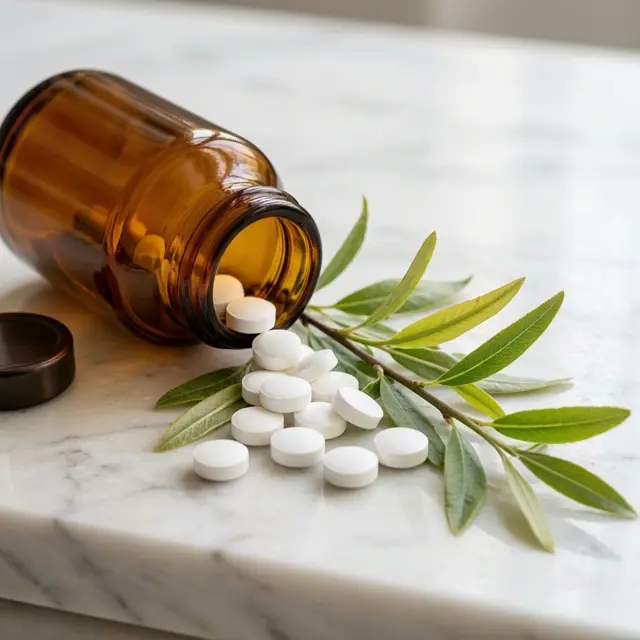
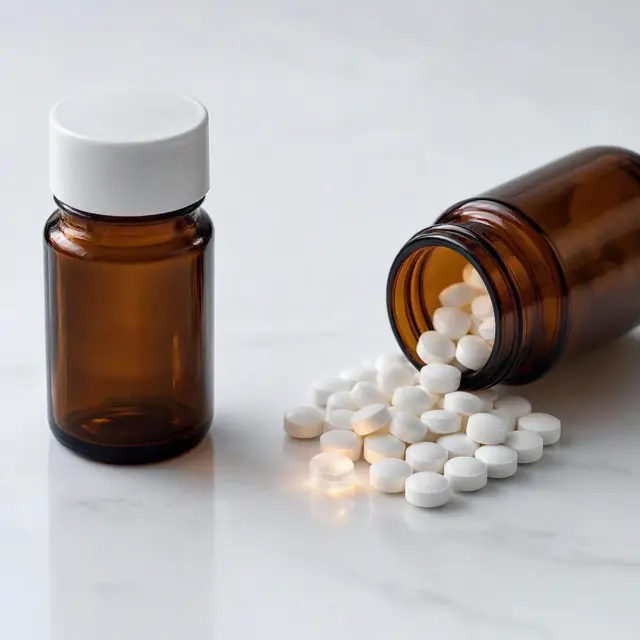
A placebo is medicine's honest fake: a treatment designed to look entirely genuine while doing nothing pharmaceutical at all. The classics are inert sugar pills and saline injections — but the family extends all the way to sham surgery, where the theater of an operation is performed without the operation itself.
Even the name confesses. *Placebo* is Latin for "I shall please" — a treatment offered to please the patient, not to fight the disease. The idea of a "placebo effect" surfaced in 18th-century psychology and rose to prominence in the 20th.
And here is the beautiful paradox: this nothing-treatment became one of the most important tools in all of medicine — not for what it does to patients, but for what it reveals about every other treatment.
The Gatekeeper of All Medicine
Modern medicine runs on a simple duel: to prove a drug works, it must beat a fake. In a placebo-controlled trial, patients are randomly assigned the real treatment or an indistinguishable placebo — with participants (and ideally clinicians) blinded to who got what, because expectations alone can bend results.
The vocabulary is precise. Whatever change appears in the placebo group is the placebo response; the slice of that change beyond what no treatment at all would produce is the true placebo effect.
One humbling illustration of the stakes: a 2008 meta-analysis concluded placebo accounted for 82% of antidepressant response — a finding whose calculations were later found to have important flaws, with real drug effects remaining significant. The episode showed exactly why the fake-pill benchmark matters so much.
What the Fake Pill Can and Can't Do
So does the sugar pill actually *work*? Carefully put: sometimes, on some things. Modern studies find placebos can genuinely affect pain and nausea, motor function in Parkinson's patients, and some immune and hormonal measures. The machinery is real: expectation and conditioning can trigger the release of the body's own endogenous opioids — natural painkillers — with brain imaging showing the circuitry light up.
The hard limit: placebos change how patients *feel*, not the disease itself. No tumor shrinks for a sugar pill.
There's also a statistical impostor to unmask. Many apparent placebo "cures" are just regression to the mean — patients enroll in trials when symptoms peak, and extreme states naturally drift back toward normal. The improvement would have happened anyway; the pill just stood nearby taking credit.
The Ethics of a Beautiful Lie
Prescribing placebos in actual practice is ethically radioactive. A disguised fake bypasses informed consent, plants dishonesty inside the doctor–patient relationship, and could delay diagnosis of something serious. Yet surveys reveal the temptation is real: 60% of Israeli physicians reported using placebos, versus 24% of US physicians willing to prescribe purely inert treatments.
The placebo also has an evil twin — the nocebo effect, where negative expectations alone make people feel worse on an inert substance. Expectation cuts both ways.
The most intriguing frontier may dissolve the dilemma: open-label placebos — sugar pills given with full disclosure — appear in small, preliminary studies to still help some patients. If honesty and the placebo effect can coexist, medicine's most useful fake might finally get an honest job.