A Continent Run by Rules, Not Residents
Antarctica is the only continent on Earth with no native human population. Yet 58 countries have signed up to a shared rule book for it. That rule book is the Antarctic Treaty, and it has a surprising claim to fame. It was the first arms control agreement of the Cold War.
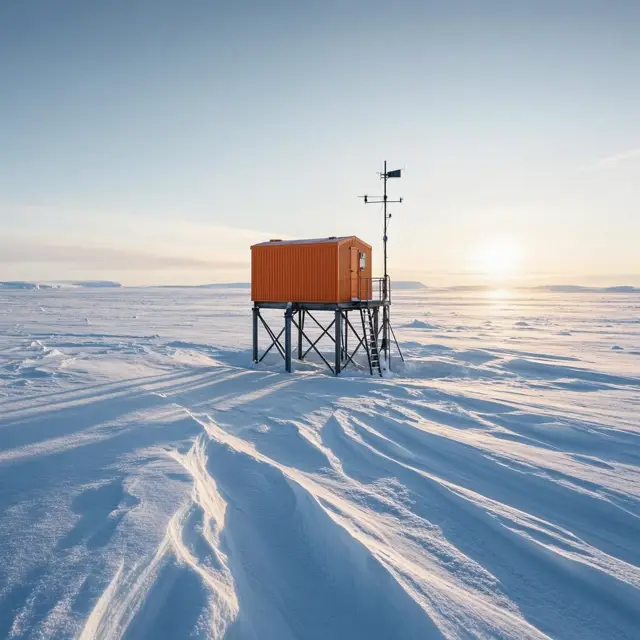
For the treaty, Antarctica means all the land and ice shelves south of 60°S latitude. Inside that line, the whole continent is set aside as a scientific preserve. Researchers are free to investigate, and military activity is banned.
The main treaty opened for signature on 1 December 1959 and came into force on 23 June 1961. Over the years, more agreements were added on top of it, including some 200 recommendations adopted at treaty meetings. Together they make up what is called the Antarctic Treaty System.
How a Science Year Became a Peace Deal
After World War II, tensions over Antarctica were rising. Between August 1946 and early 1947, the United States ran Operation Highjump, the largest expedition it had ever sent there, with 13 ships and 4,700 men. Its goal was to train personnel and test equipment in extreme cold. In 1949, Argentina, Chile and the United Kingdom signed a declaration promising not to send warships south of the 60th parallel. They renewed it every year until 1961.
Then science stepped in. The International Geophysical Year ran from 1 July 1957 to 31 December 1958, and 66 countries took part. Twelve of them were active in Antarctica and set up more than 55 research stations there.
Worried that the Cold War could spread south, US President Dwight D. Eisenhower invited those twelve nations to sign a treaty. Their delegates met in Washington for sixty sessions between June 1958 and October 1959. A top-level conference followed, and the treaty was signed on 1 December 1959.
The Big List of Things You Cannot Do
The treaty bans nuclear testing, military operations, economic exploitation and the making of new territorial claims in Antarctica. The only permanent structures allowed are scientific research stations. The rules are monitored through on-site inspections.
The nuclear ban came with real suspense. During the talks, Argentina proposed banning all atomic explosions on the continent. The United States and some other countries wanted to ban only blasts made without prior notice or consultation. The standoff lasted until the last day of the conference. Support for the Argentine idea from the Soviet Union and Chile finally led the United States to drop its opposition.
Mining came later. In 1991-1992, 33 nations renegotiated the treaty, and the main change was a protocol on environmental protection that banned mining and oil exploration for 50 years. Signed on 4 October 1991, it came into force on 14 January 1998. It also covers marine pollution, wildlife, waste and protected areas. From 2048, any voting party can ask for a full review, but changes need a three-quarters majority.
Who Gets a Vote on the Ice
Not every member has an equal say. Of the 58 parties, only 29 can take part in decisions. These are the consultative parties. They include all 12 original signers plus 17 countries that earned their place by doing substantial science in Antarctica. The other 29 can still attend the meetings.
The voting group meets every year at the Antarctic Treaty Consultative Meeting, the main forum for running the region. Bigger topics go to special meetings, which are held less often. Since September 2004, a secretariat in Buenos Aires, Argentina, has handled the support work. It helps run the meetings, helps parties share information and publishes the documents. Its first executive secretary, Jan Huber of the Netherlands, served for five years.
Seven of the voting countries claim parts of Antarctica as their own territory, while most countries do not recognize those claims. One fact stands out: the mainland area between 90 degrees west and 150 degrees west is the only major land on Earth that no country claims at all.
Whose Law Applies at the Bottom of the World?
With no permanent population and no single government, Antarctica runs on a patchwork of national laws. Each treaty country turns the shared decisions into its own laws. These laws generally apply only to its own citizens, wherever they are on the continent. They cover things like which areas need permits and what environmental checks must come before any activity.
Some of the details are surprising. Under one US law, taking native Antarctic mammals or birds, or bringing in non-native plants and animals, can lead to fines of up to US$10,000 and a year in prison. The United States also stations special deputy US Marshals in Antarctica to provide a law enforcement presence.
Australia applies the criminal laws of its Jervis Bay Territory to its Antarctic territory. South African citizens in Antarctica fall under the magistrate's court in Cape Town. For Argentine nationals there, the courts of Ushuaia are in charge. The treaty is often considered an example of the common heritage of mankind principle.