The Cheapest Life-Saver There Is
What if a bar of soap could do more than a vaccine? According to UNICEF, making hand washing with soap a habit, before eating and after using the toilet, can save more lives than any single vaccine or medical treatment.
It can cut deaths from diarrhea by almost half, and deaths from serious lung and airway infections by about a quarter. These are huge numbers. Diarrhea and pneumonia together cause almost 3.5 million child deaths every year.
That is why hand washing is called the single most effective and inexpensive way to prevent these illnesses. It also helps stop the spread of flu, COVID-19 and many other infections. All it takes is soap, water and a little time.
Why Twenty Seconds Matters
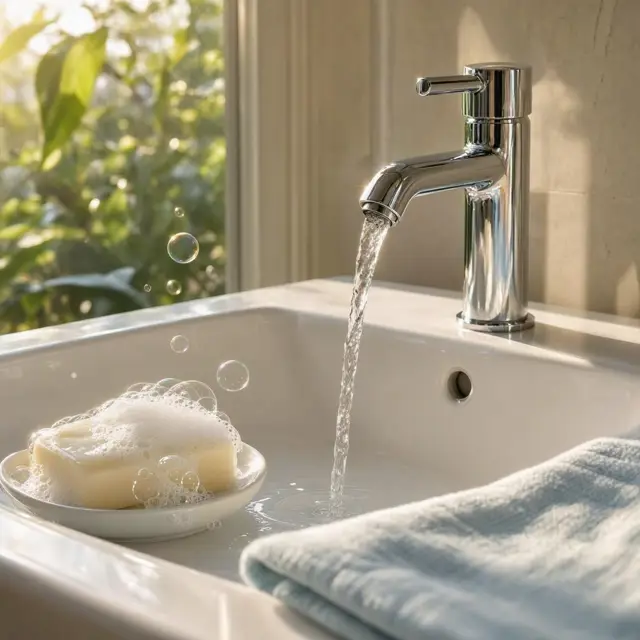
The advice sounds simple, but the details matter. Wet your hands under running water, then rub them with plenty of soap, including the backs, between the fingers and under the nails. Soap lifts germs, also called pathogens, off the skin.
Then scrub for at least 20 seconds. Scrubbing creates friction, which helps pull germs away, and scrubbing longer removes more of them. Rinse under running water, because a basin can put germs right back on your hands.
Finally, dry your hands well. Wet hands pick up germs more easily. The spots people miss most often are the thumbs, the wrists, the gaps between fingers and under the fingernails.
The Hot Water Myth
Many people turn the tap to hot, thinking it kills germs. It does not. Water that is still comfortable on your hands is nowhere near hot enough to kill bacteria.
Studies have found that water from 4 to 40 °C removes about the same amount of germs. Warm water has no real effect on how clean your hands get, and some experts even call using hot water for hand washing a waste of energy. It can also irritate the skin more often.
What matters most is good scrubbing. And when there is no soap, the World Health Organization has suggested ash or sand as a stand-in. Ash, mixed with water, forms an alkaline solution that can help clean, although the evidence for it is weak.
When Sanitizer Is Not Enough
When there is no sink nearby, a hand sanitizer can help. To work well, it needs to contain at least 60% alcohol, and you should rub it over every part of both hands for about 30 seconds until they are dry.
But sanitizer is not a full replacement for soap. It kills many germs but does not wash dirt and grime away, so germs can stay on the hands. It is also almost useless against norovirus, the most common cause of stomach bugs that spread from person to person.
That is why health experts still recommend soap and water first, especially when hands look dirty. Sanitizer is best kept as a backup.
The Doctors Who Figured It Out
Today it seems obvious. But for a long time, most people believed disease was caused by bad smells called miasmas. A few pioneers saw the truth early.
In the 18th and 19th centuries, several doctors noticed that clean hands saved lives, especially for new mothers and wounded soldiers. They included Charles White in 1777, Ignaz Semmelweis in 1847, and Florence Nightingale, the founder of modern nursing, during the Crimean War.
It still took a long time to catch on. In the 1980s, outbreaks of food poisoning and hospital infections pushed US health officials to promote hand washing more strongly. Then the COVID-19 pandemic in 2020 made hand washing more common around the world.