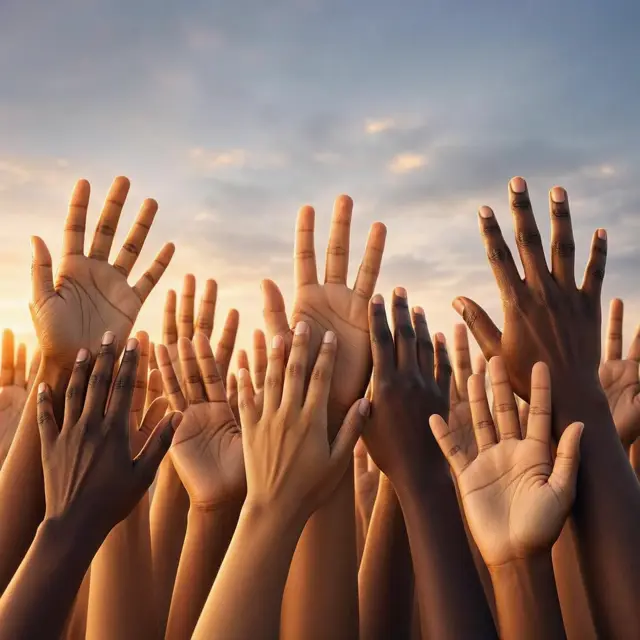
Rights Nobody Has to Give You
Human rights are moral principles or norms that set standards of human behaviour, and they are often protected by both national and international law.
The crucial word is inherent. These rights are considered inherent and inalienable, meaning they belong to every individual simply by virtue of being human. They are not a gift from a state, so a state cannot revoke them by decree.
They also cover far more ground than most people assume. The range is civil, political, economic, social and cultural, and it includes the right to life, freedom of speech, protection against enslavement, and the right to education. That last one matters: education sits alongside free speech, not below it.
The Document Written After the War
Ideas related to human rights predate modernity by a long way. But the modern concept gained real prominence only after the Second World War, and specifically in response to the atrocities of the Holocaust.
That response took a concrete form. In 1948 the United Nations General Assembly adopted the Universal Declaration of Human Rights, usually shortened to the UDHR.
The declaration outlined a comprehensive framework of rights that countries are encouraged to protect, setting a global standard for human dignity, freedom and justice. Everything downstream flows from it: the UDHR has since inspired numerous international treaties and national laws aimed at promoting and protecting human rights worldwide.
The Argument That Never Ended
The principle of universal human rights is widely accepted. The details are not, and the disagreements are serious ones.
Debates persist over which rights should take precedence when they collide, how they should actually be implemented, and how they apply across different cultural contexts.
One of the sharpest criticisms comes from cultural relativism, which argues that individually framed human rights are a poor fit for societies that prioritise a communal or collectivist identity, and that they may conflict with certain cultural or traditional practices. The argument has not been settled, and it shapes how the framework is received around the world.
Who Actually Enforces Them
Despite the disputes, human rights remain a central focus of international relations and of legal frameworks around the world.
The work of monitoring and enforcing them is spread across three very different kinds of body: institutions such as the United Nations, a wide range of non-governmental organisations, and national bodies set up specifically for the purpose.
That spread is deliberate. No single actor holds the whole responsibility, which makes the system harder to shut down but also harder to make binding. It is why human rights are simultaneously one of the most agreed-upon ideas in the world and one of the most argued-about.