A King Nobody Trusted
In 1215, England was ruled by King John, and very few of his powerful subjects trusted him. He had lost most of his family's lands in France in 1204, then spent years taxing the nobles heavily to pay for a war to win them back. In 1214, that war ended in an expensive failure.
John, like the kings before him, ruled by what was called vis et voluntas, force and will. He often acted as though a king was above the law. Many writers of the time believed kings should follow custom and the law, but there was no plan for what should happen if a king simply refused.
A group of rebels decided to force the issue. They were landowners of the highest rank, each one a baron, based mostly in the north and east of England. In May 1215 they renounced their loyalty to John, marched on London and took it. Cornered, the king asked Stephen Langton, the Archbishop of Canterbury, to organise peace talks.
Ten Days in a Meadow
The two sides met on 10 June 1215 at Runnymede, a water meadow beside the River Thames. It was neutral ground, between the king's fortress at Windsor and the rebels' base at Staines, so neither side had a military advantage.
The rebels brought a list of demands. Over the next ten days, Langton turned them into a peace deal. By 15 June the text was agreed, and it promised a great deal: protection of church rights, protection from illegal imprisonment, access to swift justice, and limits on the payments the king could demand.
It also contained a bold clause, later known as clause 61. It set up a council of 25 barons to watch over the king. If he broke the charter and did not fix it within 40 days of being told, they were allowed to seize his castles and lands.
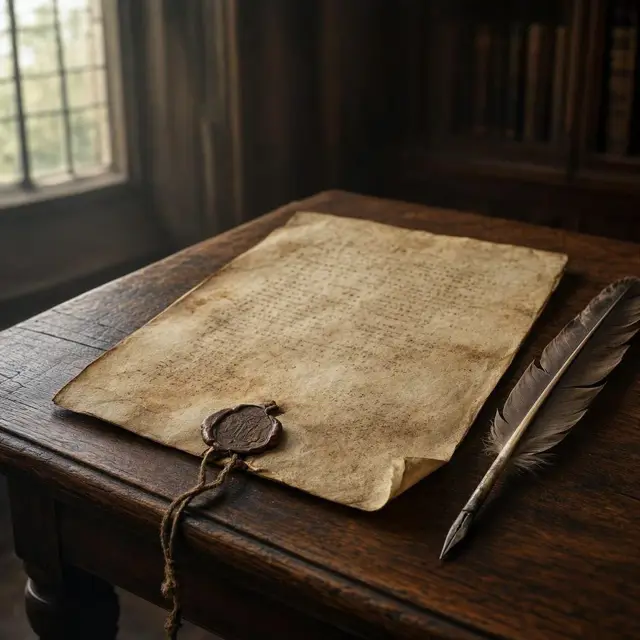
Nobody signed it. The document was written in heavily shortened Latin on parchment made from sheepskin, and sealed with the royal great seal in beeswax and resin.
Dead in Three Months, Then Brought Back
Neither side trusted the other, and neither seriously tried to make the deal work. All 25 barons picked for the council were rebels. The rebels refused to hand London back, and John quietly asked the Pope for help.
Pope Innocent III replied in a letter dated 24 August. He declared the charter shameful, illegal and unjust, because John had been forced to accept it, and pronounced it null and void forever. By then, fighting had already broken out. Less than three months after it was agreed, the charter was dead, and the First Barons' War had begun.
Then John died in October 1216, leaving his nine-year-old son, Henry III, as king. The boy's supporters had a clever idea: reissue the charter, without the council of barons, to win rebels back to their side. It was issued again in 1217, when it first got the name Magna Carta, meaning Great Charter. It came back again in 1225 in exchange for new taxes, and in 1297 it became part of English law.
How a Failed Deal Became a Legend
Centuries later, Magna Carta got a second life. In the early 1600s, lawyers such as Sir Edward Coke used it to argue against the divine right of kings, claiming it protected ancient English freedoms. That version of history was badly flawed, but it was powerful.
It crossed the ocean too. American colonists believed they were fighting to keep rights that Magna Carta had given them. The promise in the United States Constitution that no one can lose life, liberty or property without due process of law comes from it.
Most of its clauses have since been repealed. Only three are still law in England and Wales: one on the freedom of the English Church, one on the ancient rights of the City of London, and one on the right to fair legal process.
Only four original copies of the 1215 charter survive, all of them in England. During World War II, one of them was stored at Fort Knox in the United States for safekeeping.