Moving a Working Part Between People
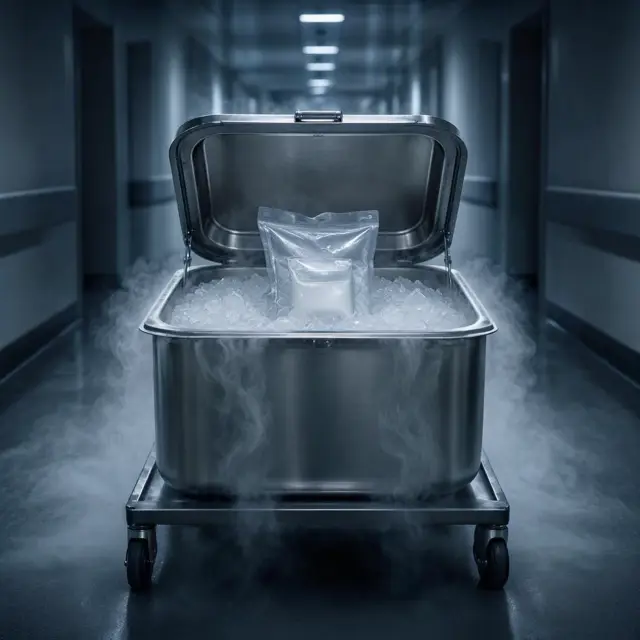
Transplantation is a medical procedure in which an organ, tissue or cells are removed from one organism and placed in a recipient, usually to replace a damaged or missing function. Donor and recipient may be in the same place, or organs may be transported from one site to another.
The vocabulary distinguishes cases. Transplants moved within the same person's body are autografts. Transplants between two individuals of the same species are allografts, and can come from a living or cadaveric source.
The list of organs successfully transplanted is longer than most people assume: heart, kidneys, liver, lungs, pancreas, intestine, thymus and uterus. Tissues include bones, tendons, corneae, skin, heart valves, nerves and veins. Worldwide, kidneys remain the most commonly transplanted organ, followed by liver and heart. J. Hartwell Harrison performed the first organ removal for transplant in 1954, as part of the first kidney transplant.
The Tissue Nobody Counts
Organ transplants get the attention, but they are not the bulk of the work.
Cornea and musculoskeletal grafts are the most commonly transplanted tissues, and they outnumber organ transplants by more than tenfold. For every dramatic heart transplant there are many quieter operations restoring sight or repairing bone.
The logistics differ sharply too. Organ donors may be living, or deceased through brain death or circulatory death, and tissues can be recovered from donors within 24 hours after cardiac arrest. Crucially, unlike organs, most tissues — corneas excepted — can be preserved and "banked" for up to five years. An organ is a race against the clock; a tissue can wait in storage for half a decade until it is needed.
When the Body Refuses the Gift
Transplantation medicine is described as one of the most challenging and complex areas of modern medicine, and the central difficulty is biological rather than surgical.
The problem is transplant rejection: the recipient's immune system mounts a response against the transplanted organ, which can cause the transplant to fail and force immediate removal. The body treats a life-saving organ as an intruder, because that is precisely what its defences are built to detect.
Two strategies reduce the risk. Serotyping identifies the most appropriate donor-recipient match in advance, and immunosuppressant drugs dampen the immune response afterwards. Both involve trade-offs — a suppressed immune system is also a weakened one — which is why matching well beforehand matters so much.
A Million Transplants, and Not Nearly Enough
As of 9 September 2022, the United States reached one million cumulative transplants, according to the Organ Procurement and Transplantation Network.
Set against demand, that milestone looks different. Global analyses indicate available transplants meet only a minority of worldwide need, with estimates that only 10–20% of need is met, plus significant inequities in access.
Scarcity of that severity generates hard ethics. The field raises questions about the definition of death, when and how consent should be given, and payment for organs — along with transplantation tourism, the socio-economic context of organ procurement, and the particular problem of organ trafficking. There is also the quieter ethical duty of not holding out false hope to patients. Recent advances offer some relief: xenotransplantation trials using genetically modified pig organs have produced early safety and feasibility data alongside real infectious and immunologic risks, while machine perfusion and normothermic ex-vivo perfusion have extended how long an organ can be preserved and assessed before surgery.