Rejected and Recognised at Once
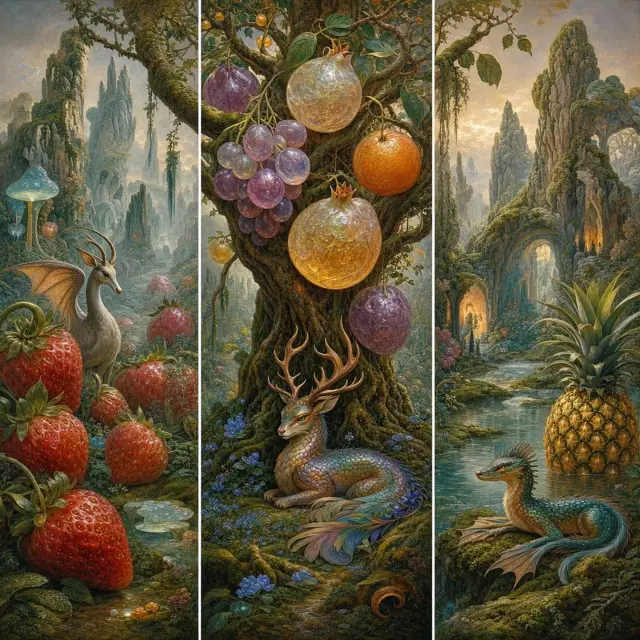
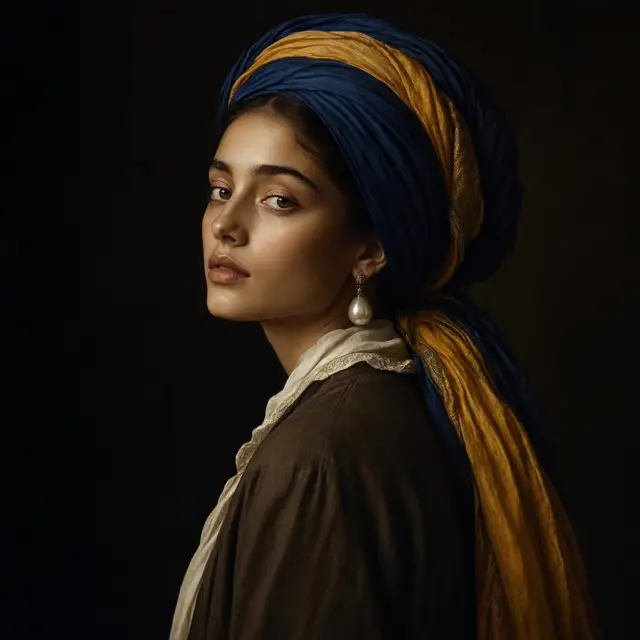
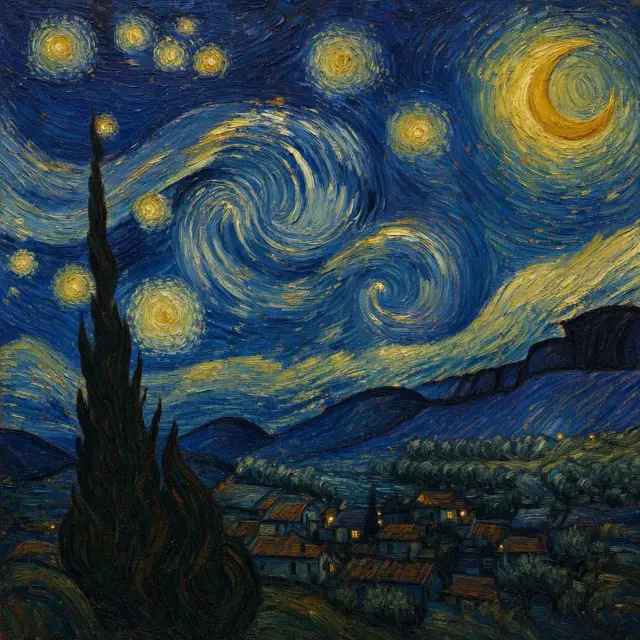
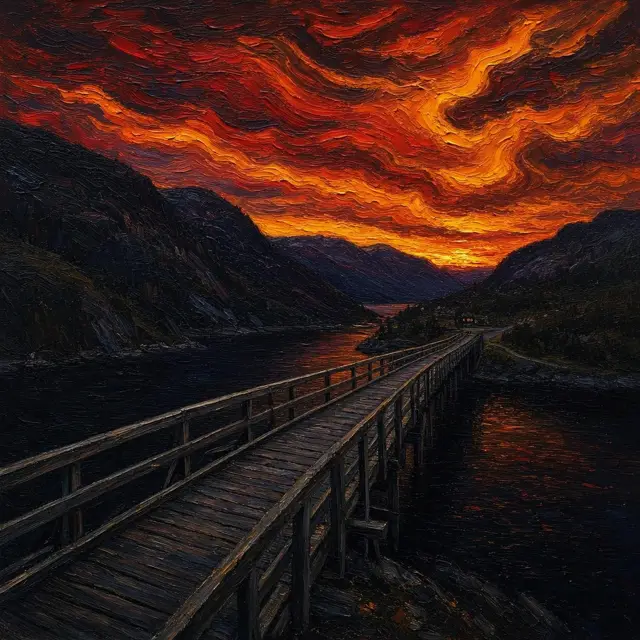
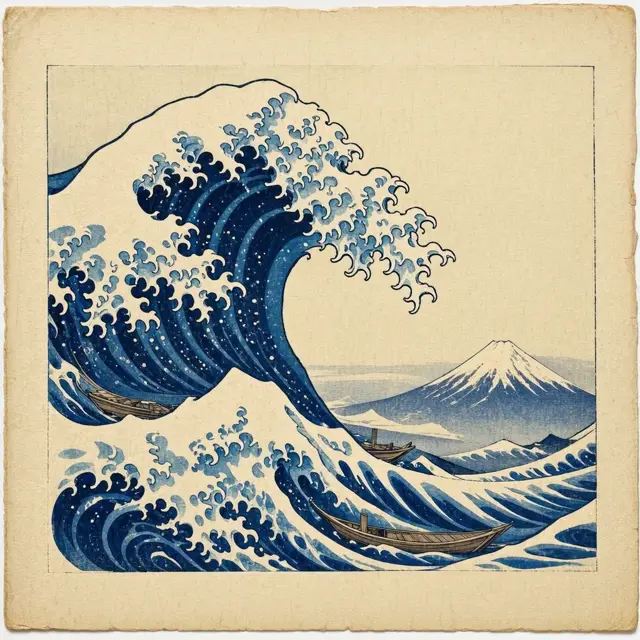
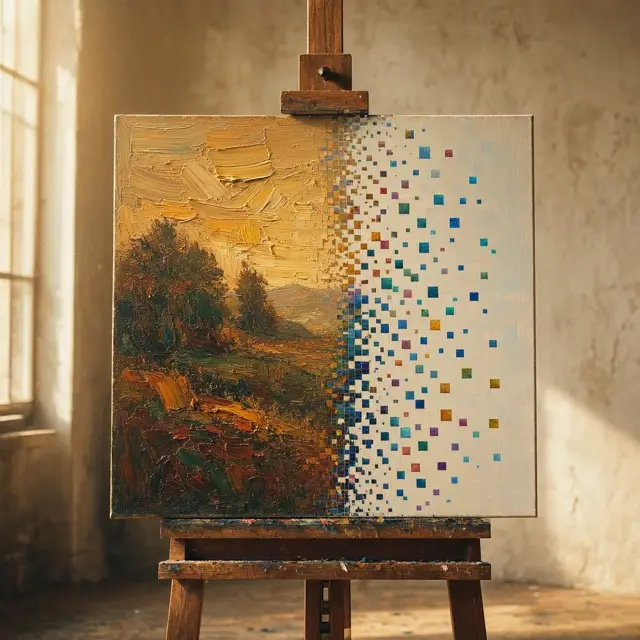
Artificial intelligence visual art, or AI art, is artistic content generated or assisted by artificial intelligence programs.
The definition comes with an unusual admission built into it: the classification of AI output as "art" remains controversial, and AI-created works have been variously rejected or recognised by existing artistic institutions. Not settled in either direction — both, simultaneously, depending on who is judging.
The idea is older than the current argument. Applying robotics or primitive algorithms to art has been discussed or practised since antiquity. But the term today primarily refers to visual works created by modern generative AI trained on preexisting content — and that training detail is where nearly every dispute about it begins.
The Boom That Put It in Everyone's Hands
What changed was access. During the AI boom of the 2020s, text-to-image models became widely available to the public — Midjourney, DALL-E and Stable Diffusion among them.
Suddenly anyone could generate imagery with little effort, which is the fact underneath the entire cultural argument. The barrier that had always separated having a visual idea from producing a finished image simply dropped away.
Commentary about AI art in the 2020s has clustered around a specific set of issues: copyright, deception, defamation, and its impact on traditional artists including technological unemployment. There is also a quality problem the field has named for itself — AI art frequently constitutes AI slop, mass-produced for online engagement at the expense of quality.
The Law Said No Human, No Copyright
The legal position in the United States has been unusually direct.
In August 2023, the US Supreme Court ruled that AI art is ineligible for copyright, on the grounds that it fails to meet the requirement of human authorship.
That reasoning is worth sitting with. The ruling did not say AI images are worthless, or not art, or not valuable. It said copyright protects the creative work of humans, and if no human authored the output, there is nothing for the law to protect — leaving such images, in effect, ownerless. In March 2026 the Court declined to hear a further case on whether AI-generated art can be subject to copyright, leaving the position undisturbed.
What Counts as Making Something
Underneath the legal and economic disputes sits an older question that the technology has forced back into the open.
The history of artificial intelligence has raised many questions on the nature of art in human–AI collaboration — where authorship sits when a person writes a description and a system produces the image.
That is not a question the copyright ruling settles, because law and aesthetics are asking different things. A court can determine that no human authored a file while critics continue to argue about whether choosing, prompting, curating and iterating constitutes making. The institutions have not converged either, which is why the same category of image can be shown in one gallery and refused by another in the same year.