What Turned Amateurs Professional
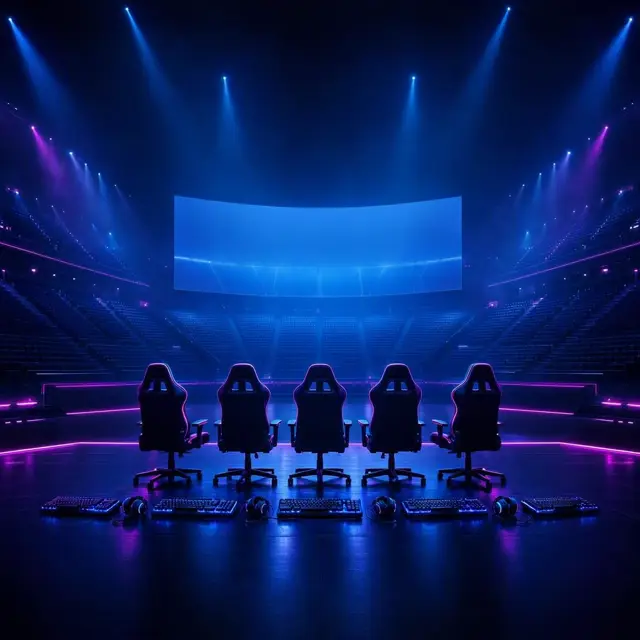
Esports — short for electronic sports — is competition using video games, usually organised multiplayer contests between professional players, individually or in teams.
Multiplayer competition had been part of video game culture for decades, but it stayed largely amateur until the late 2000s and early 2010s.
One thing changed that: streaming. The arrival of online streaming platforms, particularly YouTube and Twitch, enabled a surge in participation by professional gamers and, crucially, by spectators. Competitive gaming had always existed; what it lacked was a way for large audiences to watch it. Once that arrived, the money followed. By the 2010s esports was a major part of the video game industry, with many developers designing for and directly funding tournaments and events.
Why Japan Was the Exception
Esports first became popular in East Asia, particularly China and South Korea — which first licensed professional players in 2000, formally recognising competitive gaming as a profession.
Japan is the striking exception. Despite being one of the great video game producing nations, esports took hold there far less, and the reason is legal rather than cultural: Japan's broad anti-gambling laws prohibit prize pools for professional gaming tournaments.
No prize money, no professional circuit. A single piece of legislation, written with something entirely different in mind, held back an industry in the country that made many of the games it plays. Esports are also popular across Europe and the Americas, which host their own regional and international events.
The Genres That Became Sports
Not every game becomes an esport. The genres that dominate are those that are readable to a spectator and deep enough to reward mastery:
- MOBA — multiplayer online battle arena
- First-person shooters
- Fighting games
- Card games, battle royales, and real-time strategy
The franchises that anchor the scene include League of Legends, Dota, Counter-Strike, Valorant, Overwatch, Street Fighter, Super Smash Bros. and StarCraft.
The tournament structure mirrors traditional sport more than people expect. Among the biggest events are the League of Legends World Championship, Dota 2's The International, the fighting-game Evolution Championship Series (EVO) and Intel Extreme Masters, while other competitions run as league play with sponsored teams, such as the Overwatch League.
Is It a Sport? The Olympics Answered
The legitimacy of esports as a true sporting competition remains in question — a debate that has run for as long as the money has.
Institutions have been settling it in practice rather than in argument. Esports have already featured alongside traditional sports in some multinational events in Asia, and the International Olympic Committee has discussed inclusion in future Olympic events, starting with the Olympic Esports Games scheduled for 2027.
The audience numbers explain the interest. In the early 2010s viewership was about 85% male and 15% female, with most viewers aged 18 to 34. By the late 2010s it was estimated that by 2020 the total esports audience would reach 454 million viewers, with revenue passing US$1 billion — and China accounting for 35% of global esports revenue.