It Was Never About Heat
A desert is a landscape where little precipitation falls, and the living conditions that creates produce their own distinctive ecosystems. The temperature is not part of the definition.
The threshold is usually drawn at less than 250 mm of precipitation a year. Land receiving between 250 and 500 mm counts as semi-arid, and is generally called steppe rather than desert. Extremely arid land goes at least twelve consecutive months without any precipitation at all.
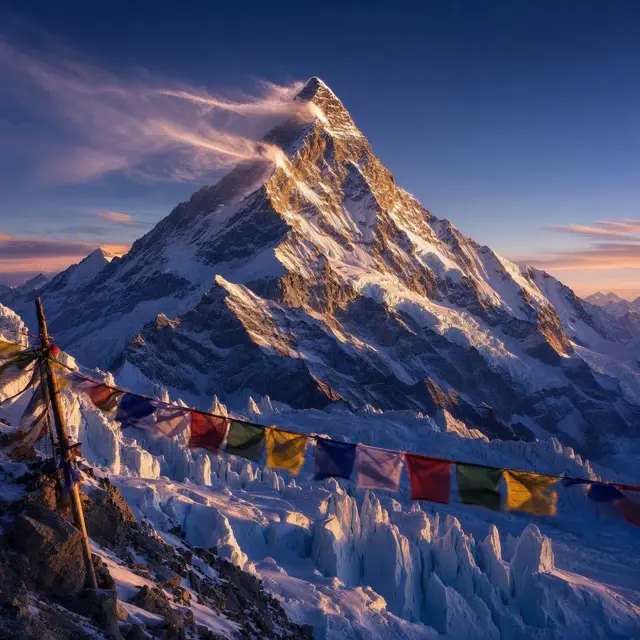
Once you use that definition, the map changes shape. About one-third of Earth's land surface is arid or semi-arid, and that includes much of the polar regions, where very little precipitation falls and the snow simply never melts. These are polar deserts, or cold deserts.
Antarctica is the world's largest cold desert, made up of roughly 98% thick continental ice sheet and 2% barren rock. Some of that bare rock sits in the Dry Valleys, which almost never get snow at all.
Carved by Heat, Then Sorted by Wind
Deserts are shaped by a slow mechanical process rather than by erosion from water.
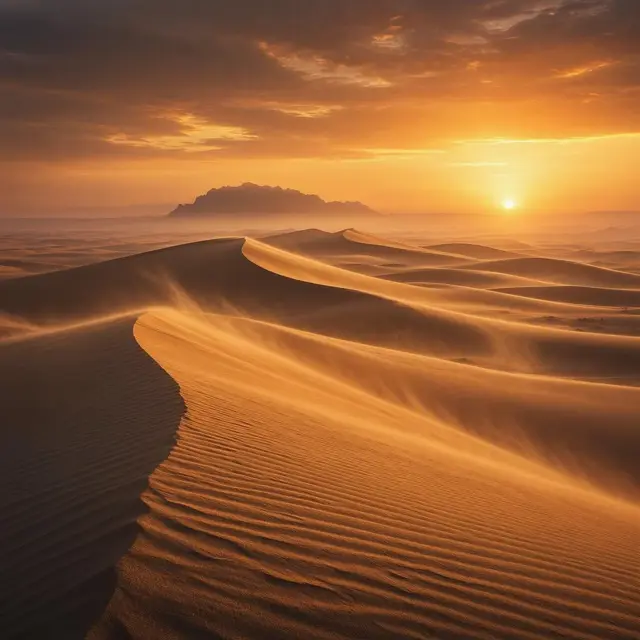
The huge swings in temperature between day and night strain the rocks until they crack and break into pieces. Rain, when it does arrive, can shatter hot rock outright. The resulting fragments and rubble are then worked over by the wind, which picks up sand and dust that can stay airborne for long stretches and sometimes builds into sand or dust storms.
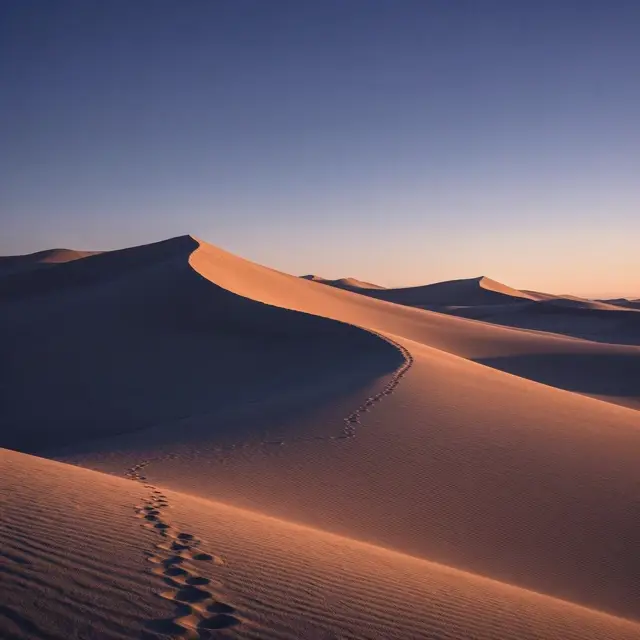
Wind-blown grains striking anything solid abrade it, smoothing rocks down over time. The wind also sorts the sand, which is why the results look so orderly: level sheets of sand in some places, high billowing dunes in others.
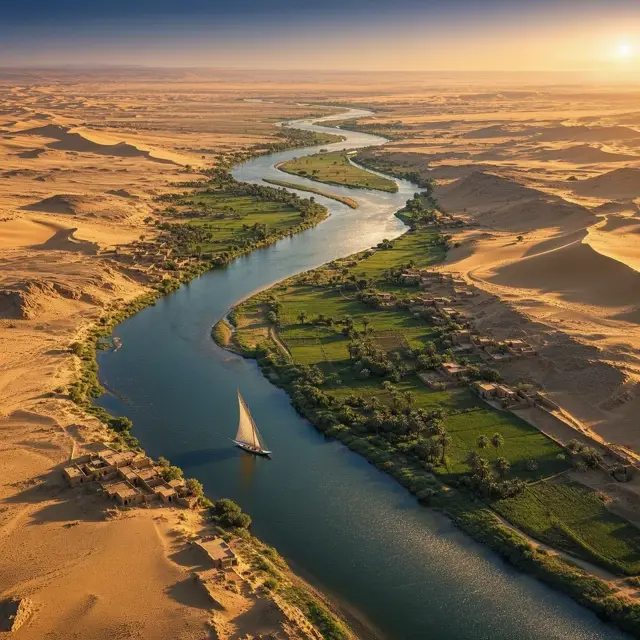
Not every desert is sandy. Many are flat stony plains where all the fine material has been blown away, leaving a mosaic of smooth stones known as a desert pavement, after which erosion largely stops. Where water evaporates it can leave salt pans, and where underground water reaches the surface you get an oasis.
Living on Almost Nothing
Desert plants and animals are not simply tough. They are specialised in ways that look like engineering.
Plants tend to be wiry with small leaves or none at all, water-resistant outer coatings, and often spines to stop animals eating them. Some annuals take an entirely different approach: they germinate, flower and die within a few weeks of rainfall, compressing a whole life into the window when water exists. Longer-lived plants go the other way, sending roots deep enough to reach underground moisture.
Animals face two problems at once, staying cool and finding water. Many solve the first by being active at night and sheltering in shade or underground during the day's heat. They are also very efficient at conserving water, extracting most of what they need from their food and concentrating their urine.
Some go further and shut down completely, staying dormant for long periods, then becoming active and breeding rapidly when rain finally comes.
Why Deserts Sit Where They Do
Deserts are not scattered randomly. They can be classified by the weather pattern that creates them, and the biggest category explains a band you can see on any world map.
Trade wind deserts form on either side of the horse latitudes, at 30 to 35 degrees north and south, where large-scale descent of dry air happens. The Sahara is one of these. Others are mid-latitude, rain shadow, coastal, monsoon or polar deserts.
People have lived in and around them for millennia. Nomads moved flocks to wherever grazing appeared, while oases allowed a settled life. Trade routes crossed them, especially the Sahara, where camel caravans carried salt, gold and ivory, and where large numbers of enslaved people were also taken north.
Farming is possible with irrigation, and California's Imperial Valley shows barren land made productive by importing water. But cultivating semi-arid land encourages soil erosion, and is one of the causes of spreading desertification.